Why Steep Yards Make Yard Cleanup Harder and What to Do About It
Leaf removal on sloped properties is harder because gravity works against you. Leaves slide downhill, pile up at the bottom, and can turn slick when wet. It takes more effort to clear them safely without hurting yourself or damaging your lawn. The right tools, safe footing, and a smart plan can make the job easier and safer.
Quick Answer: What Makes Slopes so Difficult
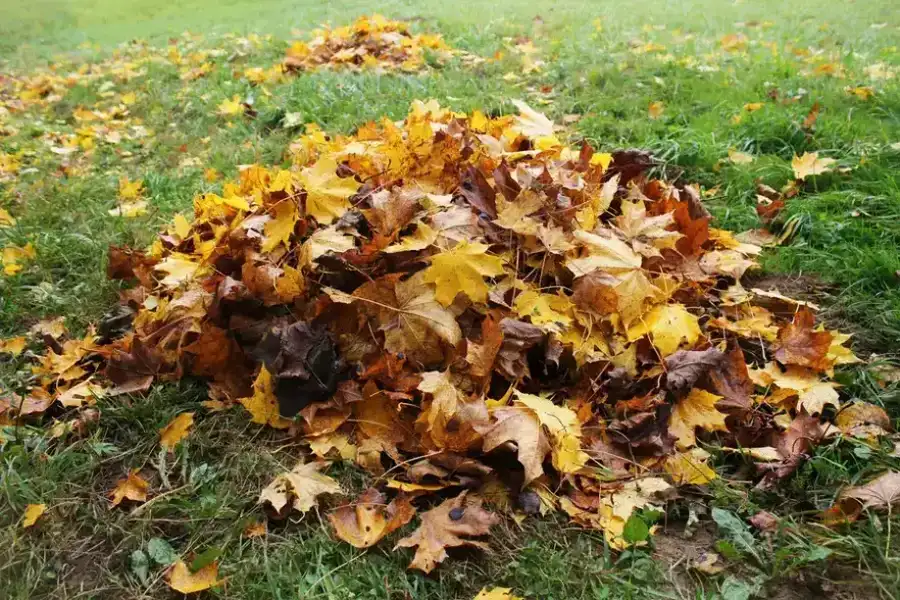
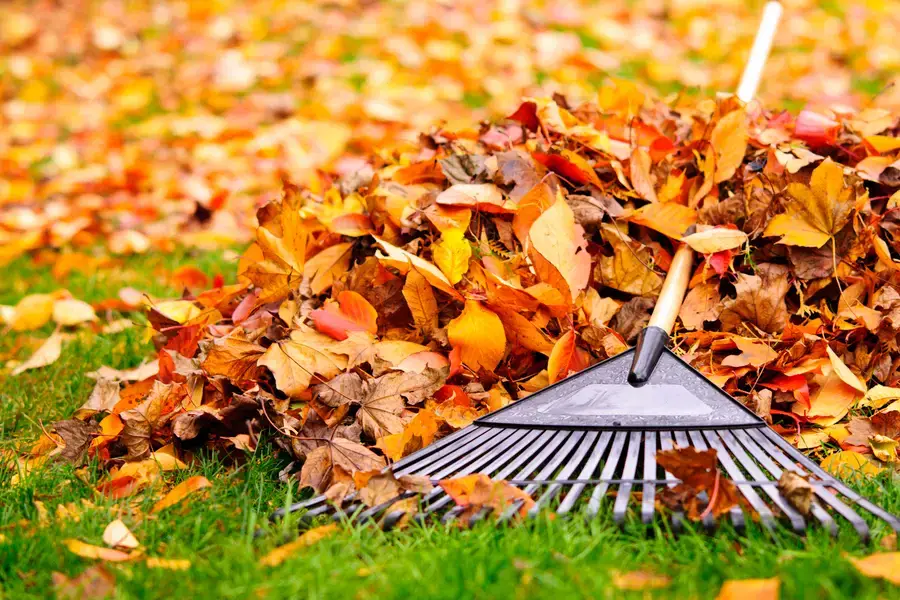
The main challenge with leaf removal on a hill is control. Leaves do not stay where you move them. When you rake or blow them, they often roll or slide back down. Wet leaves stick to the ground and create slippery spots. Steep grades also make it harder to push equipment without losing balance.
On flat ground, you can work in straight lines. On a slope, you must work in sections and change your approach. This adds time and physical strain.
Common Symptoms Homeowners Notice
If your yard has a slope, you may notice these problems during fall cleanup:
- Leaves collect heavily at the base of the hill.
- Grass near the bottom turns brown or soggy.
- Soil starts to wash away after rain.
- You feel unstable while raking or using a blower.
- Cleanup takes much longer than expected.
These signs show that basic leaf removal methods may not be enough for your property.
Likely Causes Behind the Struggle
Gravity is the biggest factor. It pulls leaves downhill and packs them tightly into low spots. Wind also pushes loose leaves across a slope faster than on level ground.
Another cause is poor drainage. When water flows down a hill, it carries leaves with it. Over time, this creates thick piles that block proper runoff. Sloped yards may also have uneven ground, exposed roots, or loose soil. These conditions make yard work more difficult and increase the risk of slips.
Using the wrong tools can add to the problem. Lightweight blowers may not have enough power to move damp leaves uphill. Standard rakes can dig into soil and cause erosion.
What to Check First Before You Start
Before you begin leaf removal, inspect the slope carefully. Look for wet patches or muddy spots. Check for rocks, holes, or tree roots that could trip you.
Also review your drainage paths. See where water flows during rain. If leaves are blocking these areas, plan to clear them first. Wear shoes with strong grip. Avoid smooth soles that can slip on wet grass.
Safe Fixes Vs Pro-Level Solutions
Some fixes are safe for homeowners to handle. Others are better for a professional crew.
Safe for DIY:
- Work across the slope, not straight up or down.
- Clear leaves in small sections at a time.
- Use a tarp to slide piles downhill safely.
- Remove leaves before heavy rain.
Better for professionals:
- Steep slopes with a sharp grade.
- Areas with active soil erosion.
- Large properties with heavy tree cover.
- Jobs requiring commercial equipment.
A trained team can use high-powered blowers and safe footing methods. As part of broader services, yard maintenance can also address drainage and soil stability at the same time.
Prevention Tips for Future Seasons
Preventing heavy buildup makes leaf removal on slopes much easier. Do not wait until leaves blanket the yard. Clear them in stages during the fall.
Trim overhanging branches to reduce the volume of falling leaves. Keep gutters clean so water does not spill into the yard and push debris downhill. You can also add mulch or ground cover plants to help reduce erosion.
Consider directing water flow with small landscape features like berms or drainage channels. When water moves in a controlled way, it carries fewer leaves with it.
Professional Help for Safer Results
Steep properties can turn leaf cleanup into a risky chore. As a team serving Conroe, TX, we handle leaf removal on challenging slopes with the right tools and safety steps. Contact Cruz Landscaping at (936) 289-2028 to schedule service or ask about seasonal plans that protect your lawn and save you time.