How to Pick the Best Mulch for Healthy Plants and Clean Garden Beds
Choosing the right type of mulch for your landscaping needs starts with knowing your goal. Do you want to stop weeds, hold moisture, improve soil, or boost curb appeal? The best mulch depends on what your yard needs most. Some mulch types feed the soil. Others last longer and focus on looks. When you match the mulch to your plants and climate, your landscape stays healthier and easier to manage.
What You Need Before Starting
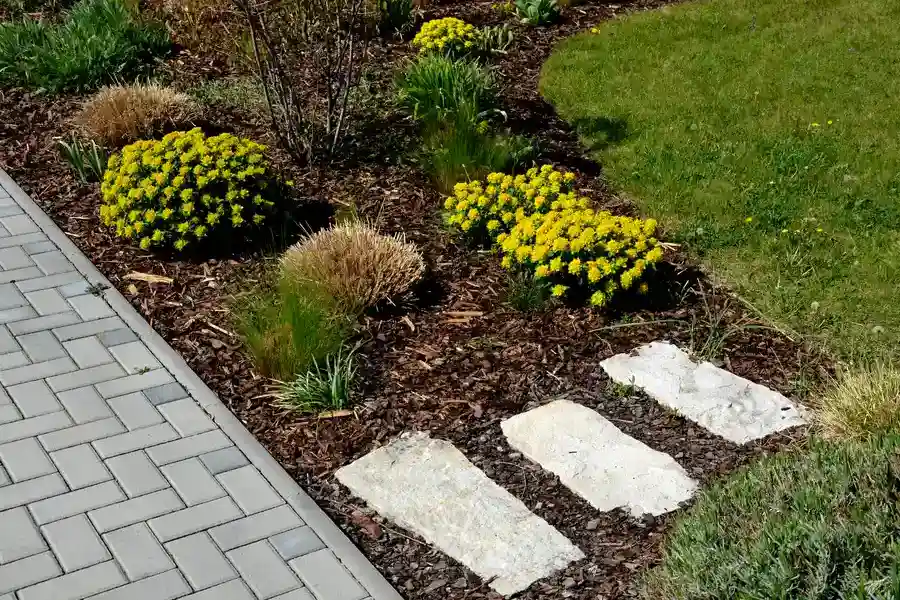
Before buying materials or scheduling mulching services, take a close look at your yard. Check the type of plants you have. Look at how much sun each area gets. Notice spots where water pools after rain.
You should also think about:
- Your budget
- How often you want to refresh the mulch
- If you want natural or decorative results
- Whether improving soil health is a top goal
If you are working with a landscaping or service team, ask what mulch types work best for your region. Climate and soil type can change your decision.
Step-by-Step Process to Choose the Right Mulch
Follow these simple steps to narrow down your options.
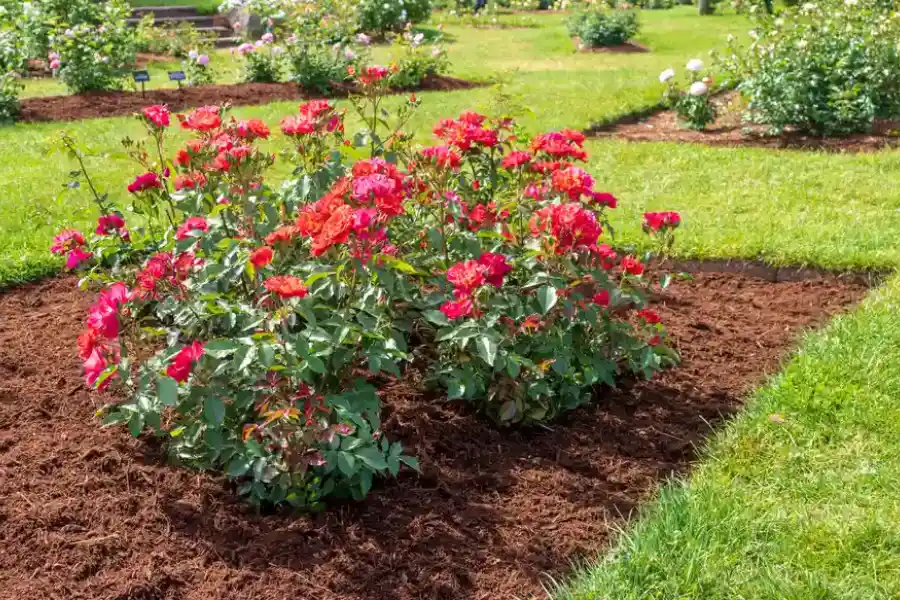
- Decide your main goal. For weed control and moisture retention, organic mulch like bark or wood chips works well. For decorative areas, stone or rubber may be better.
- Choose between organic and inorganic mulch. Organic mulch breaks down and improves soil. Inorganic mulch lasts longer but does not enrich soil.
- Match mulch to plant type. Vegetable gardens do best with compost or shredded leaves. Flower beds often look great with hardwood mulch. Trees and shrubs benefit from bark mulch.
- Pick the right color and texture. Dark brown and black give a bold look. Natural wood tones blend into most landscapes.
- Plan the right depth. Most beds need 2 to 3 inches of mulch. Too little will not block weeds. Too much can harm roots.
Taking these steps makes mulching services more effective and longer lasting.
Common Mistakes to Avoid
Many homeowners choose mulch based on price alone. Cheap mulch may fade fast or break down unevenly. This can lead to patchy beds and poor weed control.
Another mistake is piling mulch against tree trunks. This can cause rot and attract pests. Keep mulch a few inches away from the base of plants.
Using too much mulch is also a problem. Thick layers block water and air from reaching roots. Stick to the 2 to 3 inch rule for most areas.
Lastly, do not mix too many mulch types in one small space. It can make the yard look messy and unplanned.
When to Call a Professional
Small beds are easy to handle on your own. Larger properties or sloped yards take more time and effort. If you have drainage issues or ongoing weed problems, mulching services can save you time and guesswork.
Professionals know how to grade the soil, install landscape fabric when needed, and apply mulch evenly. They can also help you calculate how much material to order so you avoid waste.
If you are updating your entire yard, a service team can match mulch color and texture with walkways, flower beds, and other features. This makes the whole space look polished and balanced.
Final Recommendation and Next Steps
The right mulch makes a big difference in how your yard looks and grows. Start by thinking about your main goal. Choose organic mulch for soil health and plant growth. Choose stone or rubber for longer life and low maintenance. Avoid common mistakes like overfilling beds or crowding tree trunks.
If you are in Conroe, TX and want help picking the best option, our team is here to guide you. Cruz Landscaping provides reliable mulching services tailored to your yard’s needs. Call us at (936) 289-2028 to schedule a visit and let us help you build healthy, clean, and long lasting landscape beds.